

Steven Spielberg
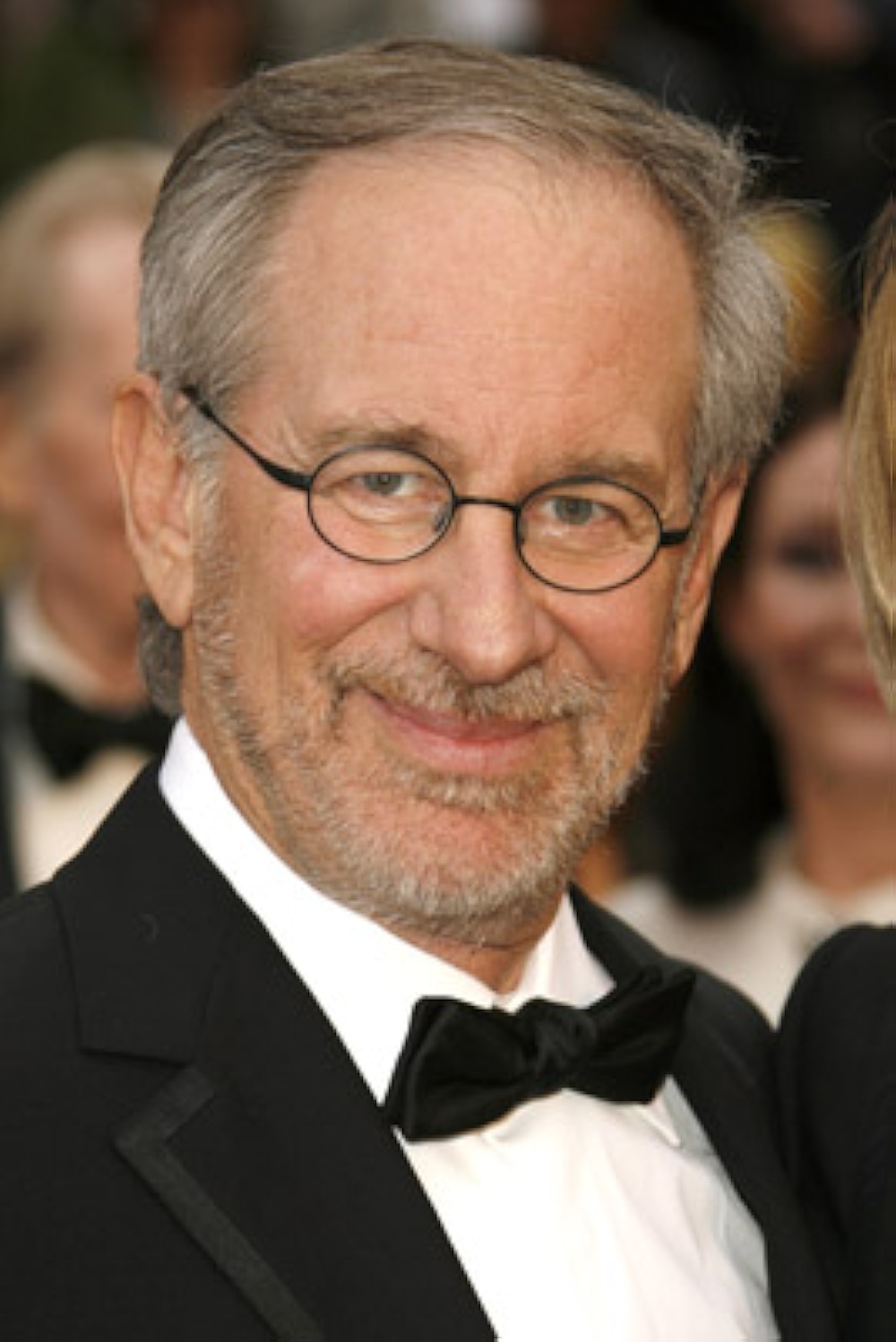
☼ Born on18 janeiro 1946, in Cincinnati, Ohio, USA
Biography:
One of the most influential personalities in the history of cinema, Steven Spielberg is Hollywood's best known director and one of the wealthiest filmmakers in the world. He has an extraordinary number of commercially successful and critically acclaimed credits to his name, either as a director, producer or writer since launching the summer blockbuster with Tubarão (1975), and he has done more to define popular film-making since the mid-1970s than anyone else.
Steven Allan Spielberg was born in 1946 in Cincinnati, Ohio, to Leah Frances (Posner), a concert pianist and restaurateur, and Arnold Spielberg, an electrical engineer who worked in computer development. His parents were both born to Russian Jewish immigrant families. Steven spent his younger years in Haddon Township, New Jersey, Ph
(see all)
oenix, Arizona, and later Saratoga, California. He went to California State University Long Beach, but dropped out to pursue his entertainment career. Among his early directing efforts were Battle Squad (1961), which combined World War II footage with footage of an airplane on the ground that he makes you believe is moving. He also directed Escape to Nowhere (1961), which featured children as World War Two soldiers, including his sister Anne Spielberg, and The Last Gun (1959), a western. All of these were short films. The next couple of years, Spielberg directed a couple of movies that would portend his future career in movies. In 1964, he directed Firelight (1964), a movie about aliens invading a small town. In 1967, he directed Slipstream (1967), which was unfinished. However, in 1968, he directed Amblin' (1968), which featured the desert prominently, and not the first of his movies in which the desert would feature. Amblin' also became the name of his production company, which turned out such classics as E.T. - O Extra-Terrestre (1982). Spielberg had a unique and classic early directing project, Um Assassino Pelas Costas (1971), with Dennis Weaver. In the early 1970s, Spielberg was working on TV, directing among others such series as Rod Serling's Galeria Nocturna (1969), Dr. Marcus Welby (1969) and Murder by the Book (1971). All of his work in television and short films, as well as his directing projects, were just a hint of the wellspring of talent that would dazzle audiences all over the world.
Spielberg's first major directorial effort was Asfalto Quente (1974), with Goldie Hawn, a film that marked him as a rising star. It was his next effort, however, that made him an international superstar among directors: Tubarão (1975). This classic shark attack tale started the tradition of the summer blockbuster or, at least, he was credited with starting the tradition. His next film was the classic Encontros Imediatos do 3º Grau (1977), a unique and original UFO story that remains a classic. In 1978, Spielberg produced his first film, the forgettable Beatlemania (1978), and followed that effort with Travões Avariados, Carros Estampados (1980), a critically acclaimed, but mostly forgotten, Kurt Russell/Jack Warden comedy about devious used-car dealers. Spielberg hit gold yet one more time with Os Salteadores da Arca Perdida (1981), with Harrison Ford taking the part of Indiana Jones. Spielberg produced and directed two films in 1982. The first was Poltergeist, o Fenómeno (1982), but the highest-grossing movie of all time up to that point was the alien story E.T. - O Extra-Terrestre (1982). Spielberg also helped pioneer the practice of product placement. The concept, while not uncommon, was still relatively low-key when Spielberg raised the practice to almost an art form with his famous (or infamous) placement of Reese's Pieces in "E.T." Spielberg was also one of the pioneers of the big-grossing special-effects movies, like "E.T." and "Close Encounters", where a very strong emphasis on special effects was placed for the first time on such a huge scale. In 1984, Spielberg followed up "Raiders" with Indiana Jones e o Templo Perdido (1984), which was a commercial success but did not receive the critical acclaim of its predecessor. As a producer, Spielberg took on many projects in the 1980s, such as Os Goonies (1985), and was the brains behind the little monsters in Gremlins - O Pequeno Monstro (1984). He also produced the cartoon Fievel - Um Conto Americano (1986), a quaint little animated classic. His biggest effort as producer in 1985, however, was the blockbuster Regresso ao Futuro (1985), which made Michael J. Fox an instant superstar. As director, Spielberg took on the book A Cor Púrpura (1985), with Whoopi Goldberg and Oprah Winfrey, with great success. In the latter half of the 1980s, he also directed Império do Sol (1987), a mixed success for the occasionally erratic Spielberg. Success would not escape him for long, though.
The late 1980s found Spielberg's projects at the center of pop-culture yet again. In 1988, he produced the landmark animation/live-action film Quem Tramou Roger Rabbit? (1988). The next year proved to be another big one for Spielberg, as he produced and directed Sempre (1989) as well as Indiana Jones e a Grande Cruzada (1989), and Regresso ao Futuro II (1989). All three of the films were box-office and critical successes. Also, in 1989, he produced the little known comedy-drama Meu Pai (1989), with Jack Lemmon and Ted Danson, which got mostly mixed results. Spielberg has also had an affinity for animation and has been a strong voice in animation in the 1990s. Aside from producing the landmark "Who Framed Roger Rabbit", he produced the animated series Os Tiny Toons (1990), Animaniacs (1993), O Pinky e o Brain (1995), Freakazoid! (1995), Pinky, Elmyra & the Brain (1998), Family Dog (1993) and Toonsylvania (1998). Spielberg also produced other cartoons such as Em Busca do Vale Encantado (1988), Um Dinossauro em Nova York (1993), Casper (1995) (the live action version) as well as the live-action version of Os Flintstones (1994), where he was credited as "Steven Spielrock". Spielberg also produced many Roger Rabbit short cartoons, and many Pinky and the Brain, Animaniacs and Tiny Toons specials. Spielberg was very active in the early 1990s, as he directed Hook (1991) and produced such films as the cute fantasy Joe Contra o Vulcão (1990) and Fievel e o Novo Mundo 2: O Velho Oeste (1991). He also produced the unusual comedy thriller Aracnofobia (1990), Regresso ao Futuro III (1990) and Gremlins 2: A Nova Geração (1990). While these movies were big successes in their own right, they did not quite bring in the kind of box office or critical acclaim as previous efforts. In 1993, Spielberg directed Parque Jurássico (1993), which for a short time held the record as the highest grossing movie of all time, but did not have the universal appeal of his previous efforts. Big box-office spectacles were not his only concern, though. He produced and directed A Lista de Schindler (1993), a stirring film about the Holocaust. He won best director at the Oscars, and also got Best Picture. In the mid-90s, he helped found the production company DreamWorks, which was responsible for many box-office successes.
As a producer, he was very active in the late 90s, responsible for such films as A Máscara de Zorro (1998), MIB - Homens de Negro (1997) and Impacto Profundo (1998). However, it was on the directing front that Spielberg was in top form. He directed and produced the epic Amistad (1997), a spectacular film that was shorted at the Oscars and in release due to the fact that its release date was moved around so much in late 1997. The next year, however, produced what many believe was one of the best films of his career: O Resgate do Soldado Ryan (1998), a film about World War Two that is spectacular in almost every respect. It was stiffed at the Oscars, losing best picture to A Paixão de Shakespeare (1998).
Spielberg produced a series of films, including Evolução (2001), A Mansão (1999) and Shrek (2001). he also produced two sequels to Parque Jurássico (1993), which were financially but not particularly critical successes. In 2001, he produced a mini-series about World War Two that definitely *was* a financial and critical success: Irmãos de Armas (2001), a tale of an infantry company from its parachuting into France during the invasion to the Battle of the Bulge. Also in that year, Spielberg was back in the director's chair for A.I. Inteligência Artificial (2001), a movie with a message and a huge budget. It did reasonably at the box office and garnered varied reviews from critics.
Spielberg has been extremely active in films there are many other things he has done as well. He produced the short-lived TV series SeaQuest DSV: Viagem ao Fundo do Mar (1993), an anthology series entitled Contos Assombrosos (1985), created the video-game series "Medal of Honor" set during World War Two, and was a starting producer of Serviço de Urgência (1994). Spielberg, if you haven't noticed, has a great interest in World War Two. He and Tom Hanks collaborated on Shooting War: World War II Combat Cameramen (2000), a documentary about World War II combat photographers, and he produced a documentary about the Holocaust called Eyes of the Holocaust (2000). With all of this to Spielberg's credit, it's no wonder that he's looked at as one of the greatest ever figures in entertainment.
In the role of director
Dia D (10/06/2026)
Pô, Spielberg… Sou seu fã incondicional desde Duel, curti até o 1941, que ninguém gostou. Por que você fez isso comigo? Fui ver o Dia D com o espírito de quem vai encontrar uma ex-namorada que ainda ama, cheio de esperanças de ter um revival, curtir de novo os bons momentos que passamos juntos. Não logrei êxito. Voltei pra casa com o coração em frangalhos. Sabe aquela lágrima que qualquer ser humano que não seja um psicopata não conseguiu conter quando o E.T. foi embora? Então, isso tem nesse filme, mas só a casca, só a receita de bolo, só o plano fechado na cara do ator “emocionado” e a música melosa pra induzir o choro da audiência. Mas SEM o conteúdo da relação inteira construída entre Elliot e o E.T. E isso é o que faz aquele filme ser mágico e a separação deles doer no coração de qualquer não-psicopata. É a sua ex que você ainda ama vindo ao encontro, mas vem só a maquiagem, sem ela mesma por trás da maquiagem. O roteiro é exageradamente confuso e dá pinta de ter coisas furadas nele, mas que tem que ver de novo para ver se foi tudo bem-feitinho mesmo e você que babou ou se foi o filme que não seguiu a boa dica de Nietsche, que sabiamente dizia: “não turve as águas para elas parecerem profundas”. O principal problema do filme: este é um filme que fala, fala, fala, fala, fala, fala, fala, fala, fala, depois fala, fala, fala, e depois fala mais um pouco. Chega uma hora que dá vontade de gritar: “Cala a boca e deixa eu ver o filme!!” Qualquer filme sem o famoso “show, don’t tell”, não é cinema, é radio novela. E o Spielberg (justo ele!) esqueceu disso. Como a trama é um emaranhado exigente para quem assiste, ele achou que a boa solução é explicar tudo. E não é. Deveria ter uma normativa expedida em coautoria entre a ONU, a OMS, a OTAN e o Pacto de Varsóvia limitando que filmes que falam, falam, falam sejam escritos exclusivamente por Aaron Sorkin, que é o único que sabe fazer isso bem-feito. Como uma consequência quase natural de um roteiro-matraca, TUDO é expositivo. Vou dar um exemplo que contém um pequeno spoiler. Se não quiser ouvir, pule esse parágrafo: a personagem chega num lugar que tem uma reconstrução da sua casa na infância. Isso já é anunciado quando ela chega no lugar e vomita: “esta é minha casa da infância”. Não satisfeita, ela começa a andar pela casa, até que chega num quarto de menina. Dá dois passos pra dentro do cômodo e diz pra si em voz alta: “meu quarto”… Pô, Spielberg! Você não fez isso nem quando tava fazendo filme pra criança. Fala sério, mano, me respeita. E é isso o tempo todo. É uma metralhadora falando sem parar, tentando, com palavras, desfazer o embaralhado de um novelo de lã que um gato brincou a tarde toda. Claro, tem ideias boas. Mas estas parecem só estar aplacando uma paixão do Spielberg pelo tema “extraterreste”, com o impacto que o Caso Roswell deve ter lhe causado na infância. Tem também a cena da Alfa-Romeo com o trem, que é bárbara, eletrizante mesmo – ainda que eu fique na esperança daquilo ter sido feito em CG e que nenhuma Alfa tenha sido sacrificada. Alfas são sagradas. Não vou conseguir deixar de falar de outra coisa, esta acontecida no Brasil, que foi (e peço desculpas pelo termo técnico em francês) a cagada do título que foi dado ao filme aqui. “Dia D” se refere inalienavelmente a um evento histórico bem claro e pontual, inclusive já muito bem retratado pelo próprio Spielberg. Num primeiro momento, o título me fez pensar que talvez Steven tivesse aproveitado material de sobra do Resgate do Soldado Ryan pra montar outro filme. (e talvez tivesse sido melhor…) Nota importante: A crítica sincera que fiz aqui não pretende anular a admiração – igualmente sincera – por ver alguém com quase 80 anos e que não tem que provar mais nada para ninguém, ainda achar fôlego e tesão para fazer um filme parrudo como esse. Isso é realmente admirável e mantém, pra mim, Steven Spielberg no panteão das referências aspiracionais. Mas quanto ao Dia D, era melhor ter ficado só com o que eu tinha idealizado de memória sobre a minha ex.