

Paul Schrader
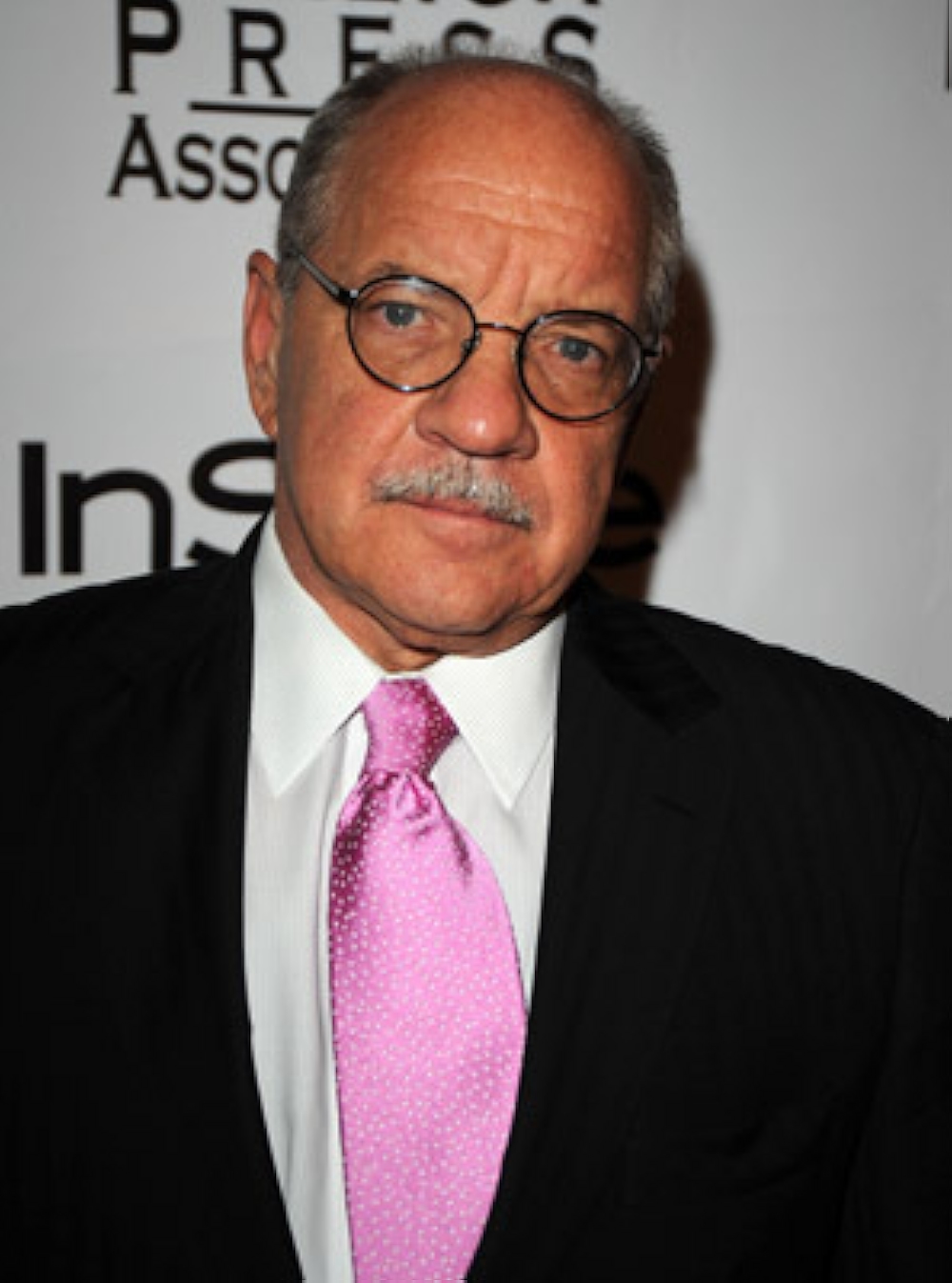
☼ Born on22 janeiro 1946, in Grand Rapids, Michigan, USA
Biography:
Although his name is often linked to that of the "movie brat" generation (Steven Spielberg, Martin Scorsese, Francis Ford Coppola, George Lucas, Brian De Palma, etc.) Paul Schrader's background couldn't have been more different than theirs. His strict Calvinist parents refused to allow him to see a film until he was 18. Although he more than made up for lost time when studying at Calvin College, Columbia University and UCLA's graduate film program, his influences were far removed from those of his contemporaries--Robert Bresson, Yasujirō Ozu and Carl Theodor Dreyer (about whom he wrote a book, "Transcendental Style in Film") rather than Saturday-morning serials. After a period as a film critic (and protégé of Pauline Kael), he began writing screenplays, hitting the jackpot when he and h
(see all)
is brother, Leonard Schrader (a Japanese expert), were paid the then-record sum of $325,000, thus establishing his reputation as one of Hollywood's top screenwriters, which was consolidated when Martin Scorsese filmed Schrader's script Taxi Driver (1976), written in the early 1970s during a bout of drinking and depression. The success of the film allowed Schrader to start directing his own films, which have been notable for their willingness to take stylistic and thematic risks while still working squarely within the Hollywood system. The most original of his films (which he and many others regard as his best) was the Japanese co-production Mishima (1985).
In the role of director
Oh, Canada (06/06/2025)
Certos diretores já tem uma base de fãs suficientemente consolidada para conseguir certos incentivos financeiros para a produção de suas obras. E, às vezes, não precisa nem ser um diretor extremamente famoso, como Spielberg, Christopher Nolan, ou Edgar Wright. Pode ser um diretor de filmes B, pequenas obras que dialogam entre si, como o recente vencedor do Oscar Sean Baker, ou Paul Schrader. Não que eu seja particularmente fã de Schrader. Para mim, seus filmes se baseiam unicamente em boas idéias, nem sempre bem executadas. Alzheimer épico Essa impressão se fortalece com Oh, Canada. O filme é um The Father, mas com uma história de vida completa. Quando um documentarista com demência está participando de um documentário como o alvo da obra, ele tenta contar a própria história. A idade avançada e um diagnóstico de uma doença fatal parecem confudir o protagonista. Memórias embaralhadas, cenas desordenadas, arcos que parecem se perder no meio do caminho. Tudo, porém, proposital. É como se estivéssemos acompanhando a doença vencendo a batalha na mente do protagonista, e aí que a associação com o filme The Father funciona. Infelizmente, Oh Canada não consegue ser tão poderoso. Talvez por ser uma obra mais ampla, que se espalha por uma vida inteira, cheia de personagens, contradições, e feitos contestáveis. Não que o filme seja ruim. Mas ele chega em uma hora que outras obras abordando o tema entregaram resultados muito melhores.